
Casinos are meticulously designed to guide visitors through a journey that maximizes engagement and encourages exploration. Every element of a casino’s layout—from the placement of tables and machines to lighting and pathways—is carefully planned to influence player behavior and enhance their overall experience. The arrangement is not arbitrary; it is a sophisticated blend of psychology, architecture, and behavioral economics. By understanding how humans respond to environmental cues, casinos create spaces that subtly direct attention, prompt curiosity, and foster prolonged interaction with the gaming environment.
The layout of a casino often begins with an enticing entryway. The main entrance is designed to captivate and orient visitors, often leading directly into the heart of the action. Bright lights, vibrant displays, and the sounds of activity draw people inward. This initial exposure is crucial because first impressions set the tone for exploration. Guests are naturally drawn toward areas with higher sensory stimulation, such as brightly lit slot machines or busy gaming tables. By controlling the initial visual and auditory stimuli, casinos guide players’ paths, encouraging them to move deeper into the venue and discover additional offerings.
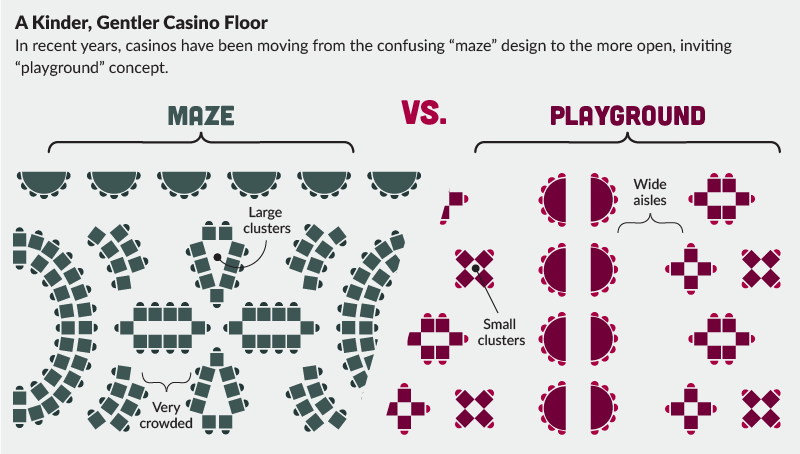
Pathways within the casino are strategically designed to create a sense of progression. Wide corridors and subtle curves guide movement while preventing the formation of bottlenecks. The layout often employs a “racetrack” configuration, where visitors are subtly encouraged to follow a circular path that exposes them to the full range of gaming options. This design ensures that players pass by multiple attractions, from high-stakes tables to casual slot machines, increasing the likelihood of participation. The racetrack approach capitalizes on natural human curiosity, prompting visitors to explore sections they might otherwise overlook.
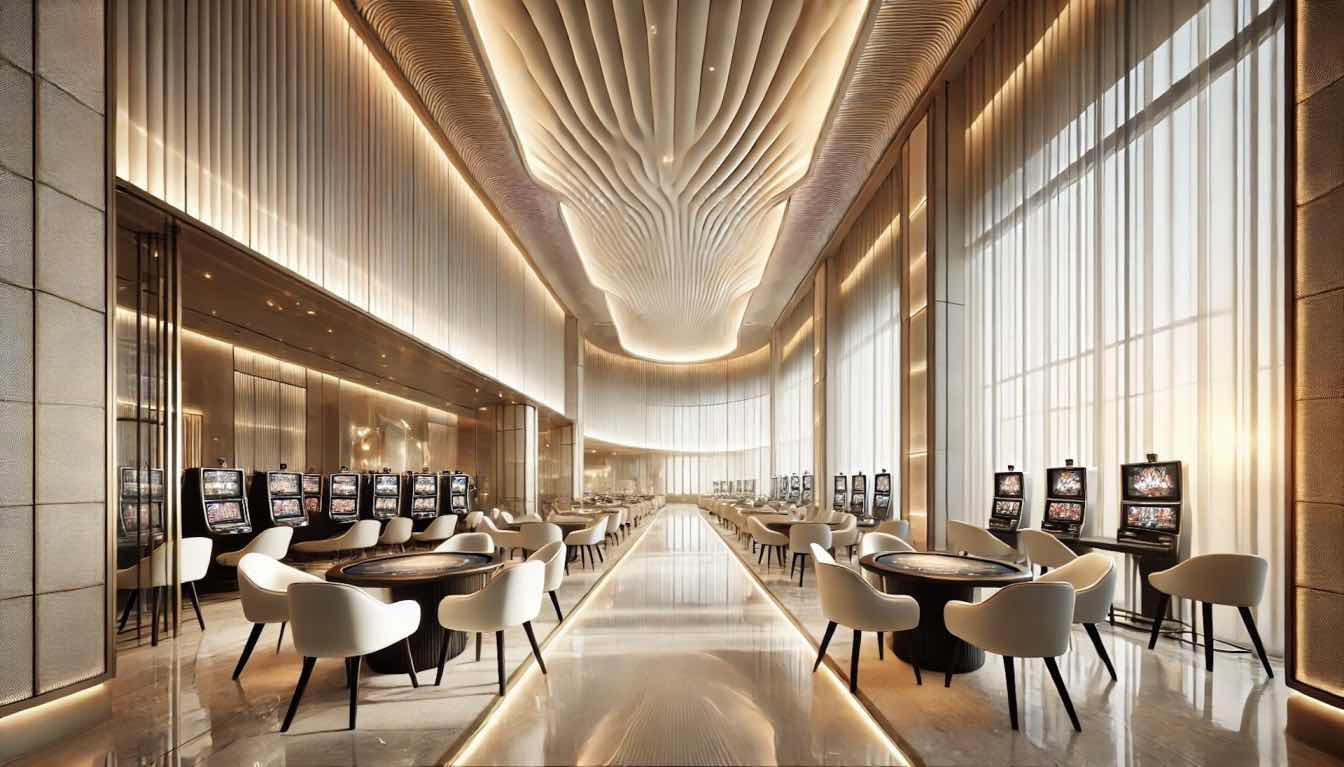
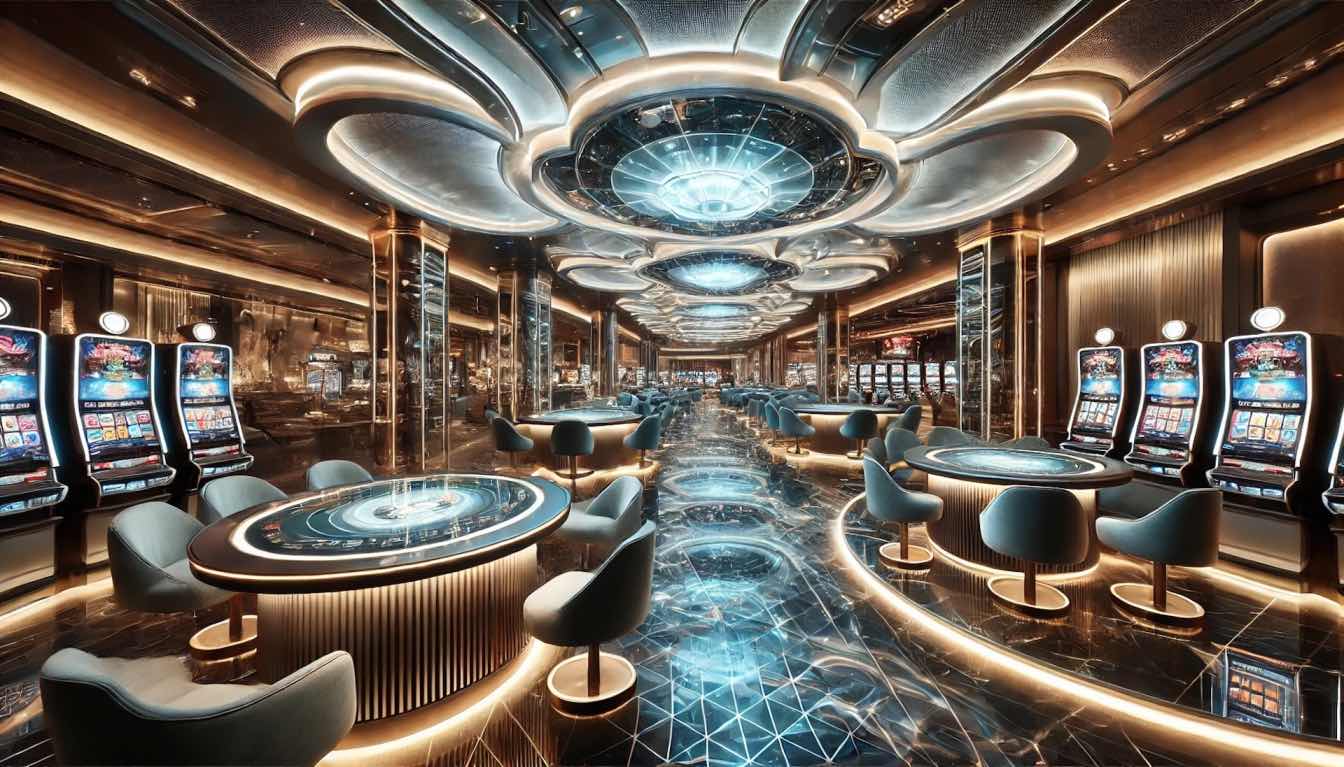
Lighting and visual hierarchy play an essential role in guiding exploration. Casinos often use a combination of ambient, accent, and task lighting to direct attention. Brighter lighting highlights areas of activity or prominence, while dimmer zones suggest more intimate, relaxed spaces. This manipulation of light and shadow influences where guests feel compelled to go next. Similarly, color schemes and signage are carefully considered to create visual cues. Warm colors can evoke excitement and urgency, drawing players toward particular machines or tables, whereas cooler tones promote calm and longer engagement in lounge or high-limit areas. By subtly directing the gaze, these visual cues enhance the likelihood that players will explore diverse sections of the casino.
The placement of gaming machines and tables is another critical factor. Casinos often situate high-traffic or popular games in locations that naturally draw attention, creating anchor points that attract players. Around these anchors, less prominent games are positioned to benefit from the flow of traffic. This strategic distribution encourages visitors to wander and sample multiple games, increasing overall engagement. Additionally, spacing is carefully considered to balance accessibility with privacy. Adequate spacing prevents congestion, allowing players to move comfortably while also giving them a sense of autonomy and choice as they explore different gaming options.
In addition to gaming areas, ancillary spaces such as bars, restaurants, and lounges are incorporated to extend exploration. These amenities serve multiple purposes: they provide rest and refreshment, encourage prolonged stays, and introduce opportunities for additional revenue. The strategic location of these spaces ensures that players naturally encounter them during their movement through the casino, creating a seamless experience that blends gaming with leisure. By integrating these elements, casinos create an environment where exploration is rewarding and fluid, reducing the likelihood of fatigue or boredom.
Psychological principles such as the element of surprise and discovery are woven into the layout. Casinos often include nooks, alcoves, or subtly hidden areas that invite guests to investigate. These spaces create moments of novelty and curiosity, which can increase engagement and prolong the visit. The unpredictability of what lies around the next corner encourages continuous movement and exploration, reinforcing a sense of adventure. This carefully orchestrated design transforms what could be a monotonous environment into a dynamic experience, keeping visitors engaged and curious.
Signage and wayfinding are also integral to guiding exploration. Rather than relying solely on functional instructions, casinos use visually appealing and thematic signage to subtly direct movement. Clear, strategically placed signs reduce frustration and enhance the sense of freedom, enabling visitors to navigate intuitively. The combination of thematic design and directional cues ensures that exploration feels natural and engaging rather than forced. Effective wayfinding balances guidance with autonomy, allowing players to feel in control while still being encouraged to venture into new areas.
The overall atmosphere of a casino complements the physical layout to guide exploration. Background music, ambient sounds, and even the scent of the environment are employed to influence movement and decision-making. Rhythmic sounds or music with a steady tempo can encourage exploration by creating a sense of pace and momentum. Pleasant scents, whether the aroma of food or the subtle use of fragrances, can draw players toward specific zones. This multisensory approach reinforces the physical design, creating a holistic environment that promotes curiosity and discovery.
Ultimately, the layout of a casino is a masterclass in behavioral design. It blends visual, spatial, auditory, and olfactory cues to guide exploration and enhance engagement. By carefully orchestrating movement, sightlines, and sensory stimuli, casinos create an environment where visitors are encouraged to explore, participate, and interact with the full range of offerings. The design maximizes both player satisfaction and operational efficiency, demonstrating how thoughtful spatial planning can transform an entertainment space into an immersive, captivating experience. Each element, from entryways to hidden alcoves, works in concert to ensure that exploration is not only guided but also enjoyable, fostering longer stays, deeper engagement, and a more fulfilling visit overall.
The result is a dynamic environment where exploration is inherently rewarding. Guests are drawn along paths that encourage discovery without overt coercion, experiencing a sense of adventure while remaining subtly guided by design principles. This balance of freedom and direction is central to the success of casino layouts, highlighting the profound impact that careful planning and psychological insight can have on visitor behavior. By combining aesthetics, functionality, and behavioral science, casinos create a seamless journey that maximizes both enjoyment and engagement.

Leave a Reply